
The rise of platforms like TikTok and Instagram established short-form video as the dominant medium for creators. Now, generative AI is poised to redefine not just what we create, but the very speed at which ideas become reality.
The New Wave of AI Video Creation
For years, creators have faced a constant dilemma: produce more content to stay relevant or invest time in quality that stands out. The manual, time-intensive process of filming and editing has always been the bottleneck. Generative AI offers a direct solution to this struggle. Leading this charge is OpenAI's Sora 2, a technology capable of transforming simple text prompts into high-fidelity video clips. To harness its power, however, requires more than just a good idea. It demands a structured approach.
This is where the Code Reels method comes in. It is not another piece of software but a disciplined prompting methodology designed for cinematic control. This evolution in the creator landscape is a frequent topic of discussion, with new strategies emerging constantly, as we often explore on our blog. This guide provides a practical framework for using Sora 2 and the Code Reels method to produce shareable content that captures attention on social media.
Understanding Sora 2's Unique Capabilities
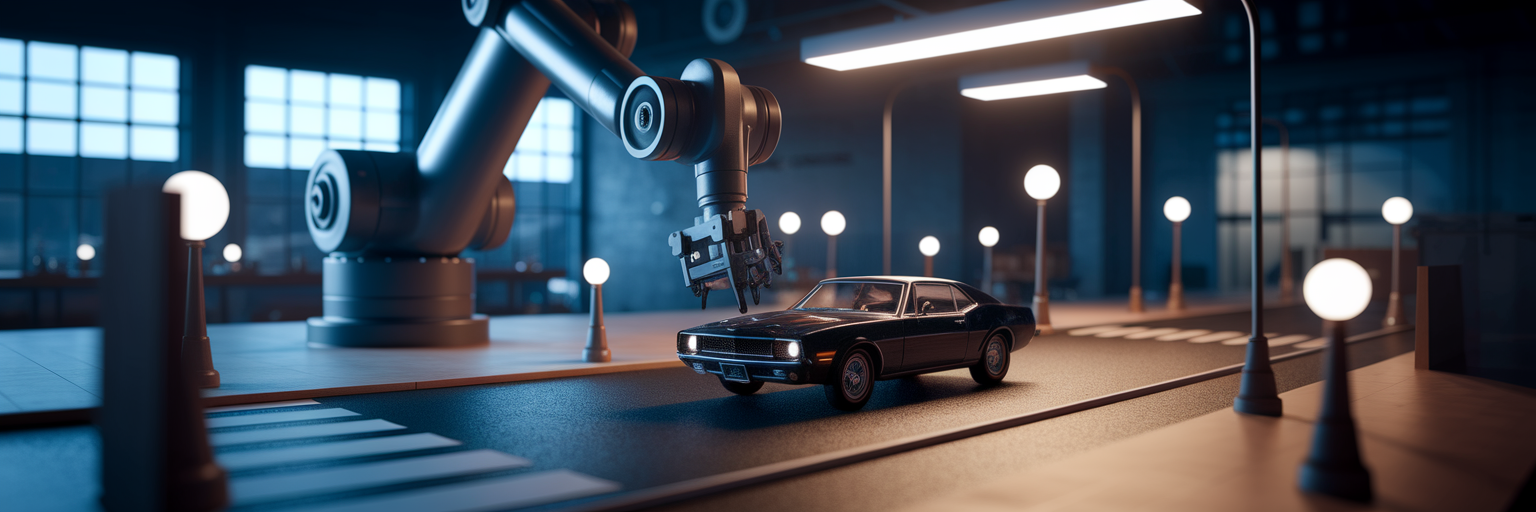
Sora 2 represents a significant leap from earlier generative models. Its ability to produce compelling video stems from a few core advancements that give creators unprecedented control. Instead of generating disjointed clips, it builds coherent visual worlds from text.
Deep Understanding of the Physical World
Previous models often struggled with basic physics, resulting in objects that moved unnaturally or characters that seemed to float. Sora 2 demonstrates a much deeper comprehension of how things exist and interact. As OpenAI has shown, the model understands that a paintbrush will leave strokes on a canvas and that a person taking a bite out of a hamburger will leave a bite mark. This attention to physical detail is what separates a quirky animation from a believable scene.
Versatile Generation Modes
Sora 2 is not limited to a single function. It offers multiple creative pathways:
- Text-to-Video: The primary function, where you describe a scene from scratch.
- Image-to-Video: Animate a static image, bringing a photograph or digital painting to life with subtle motion.
- Video-to-Video: Change the style or environment of an existing video clip, turning a modern city street into a futuristic cyberpunk landscape.
Extended Video Length and Coherence
Perhaps its most practical feature for storytellers is the ability to generate longer, more consistent videos. Sora 2 can generate videos up to a minute long while maintaining visual quality and adherence to the user's prompt, a capability confirmed by OpenAI in its initial announcement. This opens the door for genuine text to video storytelling, moving beyond the five-second clips of the past. Combined with a video remixing feature for targeted edits, Sora 2 operates as a powerful cinematic AI video generator built for iteration and creative expression.
Streamlining Prompts with the Code Reels Method
Knowing how to use Sora 2 effectively comes down to the quality of your instructions. Vague prompts like "a video of an astronaut" yield generic results. The Code Reels method provides a structured framework that acts like a director's shot list, giving the AI precise, actionable commands to build a scene. This disciplined approach ensures you get closer to your vision on the first try, saving hours of re-rendering.
Instead of a single sentence, a Code Reel prompt is a sequence of detailed instructions. Each prompt is broken down into components that control a specific aspect of the final shot. This gives you granular control over camera angles, character actions, lighting, and overall mood. Think of it as writing a mini-script for the AI to follow. The structure turns abstract ideas into concrete visual directives.
| Component | Purpose | Example |
|---|---|---|
| Scene Marker | Organizes the sequence into distinct shots. | [SCENE 1] |
| Camera Shot | Dictates the camera angle and framing. | WIDE SHOT |
| Subject & Action | Describes the main character and what they are doing. | A lone astronaut stands on a red Martian landscape. |
| Environmental Details | Adds context and mood to the scene. | Dust storm brewing in the distance. |
| Cinematic Style | Specifies lighting, color, and overall aesthetic. | Golden hour lighting, cinematic, hyperrealistic. |
Note: This table breaks down a single prompt into its core elements, demonstrating how to build detailed Sora 2 prompts for video.
By assembling these components, you create a rich, multi-layered instruction that leaves little to the AI's imagination. This method transforms you from a passive user into an active director. Mastering this approach allows you to take full advantage of the advanced video generation features available.
Mastering Storytelling for Short-Form AI Video

A technically perfect video will still fall flat without a compelling story. With AI handling the production, your primary role as a creator shifts to that of a storyteller. The Code Reels method is designed to translate narrative ideas into visual sequences that work for platforms like TikTok and Instagram, where attention is earned in seconds.
Crafting the Three-Second Hook
The first shot is everything. Your opening prompt must create immediate intrigue. Instead of a generic establishing shot, start with something specific and visually arresting. For example, prompt a "close-up on a glowing key being inserted into an ancient, moss-covered lock." This creates a question in the viewer's mind that they need to see answered.
Creating Visual Rhythm and Pacing
A great video has a rhythm. You can control this by alternating your prompt styles. Follow a "slow-motion, detailed shot of a raindrop hitting a leaf" with a "fast-paced, shaky cam shot of a character running through a crowded market." This contrast in pacing keeps the viewer engaged and prevents visual fatigue.
The Micro-Narrative Arc: Setup, Climax, Payoff
Even a 30-second video needs a story. Use a simple three-act structure in your prompt sequence:
- Setup: [SCENE 1] A young woman sits at a cluttered desk, sketching in a notebook under a dim lamp.
- Climax: [SCENE 2] Close-up on her face, eyes widening as the drawing on the page begins to glow and lift off the paper.
- Payoff: [SCENE 3] Wide shot of the room, now filled with magical, floating light creatures that originated from her sketchbook.
This simple arc provides a satisfying emotional journey for the viewer. Applying these storytelling fundamentals is the key to transforming a simple prompt into a viral clip, and tools are emerging to make this process seamless. Here are some platform-specific viral video tips for TikTok and Instagram:
- For TikTok: Prioritize fast cuts, trend-driven audio, and hooks that align with popular memes or challenges.
- For Instagram Reels: Focus on high-aesthetic visuals, cinematic color grading, and slightly slower pacing that feels more polished.
Accelerating Content with an AI-First Workflow
The true strategic advantage of generative AI lies in speed and volume. Adopting an AI video workflow fundamentally changes how you approach content creation. The concept of "rapid prototyping" becomes a daily reality. Imagine testing ten different video concepts for a new product in a single afternoon. With traditional methods, that would take weeks. With Sora 2, it's a matter of writing ten different prompt sequences.
This workflow is also a powerful tool against creative block. We've all stared at a blank screen, unsure where to start. By feeding an abstract idea into Sora 2, you can generate a visual starting point that sparks new directions. The AI becomes a collaborator that helps you find your footing.
Most importantly, this speed directly addresses the challenge of posting consistency. Social media algorithms reward accounts that post frequently. An AI-first workflow allows you to build a backlog of high-quality content, ensuring you always have something ready to publish. This level of efficiency and rapid prototyping was once only accessible to large studios, but new pricing models are making it available to individual creators, allowing them to scale their operations without a massive team.
The Future of Social Video is Collaborative AI
The combination of Sora 2's raw power, a structured method like Code Reels, and timeless storytelling principles is the new formula for creating standout social video. This technology is not standing still. OpenAI is already developing new features, including in-app video editing and character cameos, which will further streamline the creation process, according to a report from CNET.
Ultimately, AI should not be seen as a replacement for human creativity but as a powerful collaborative partner. It democratizes high-end production, giving individual creators the tools to bring their most ambitious cinematic visions to life. The goal is to empower a new generation of storytellers, a mission that drives the development of these collaborative AI platforms. The question is no longer what you can create, but what you can imagine.